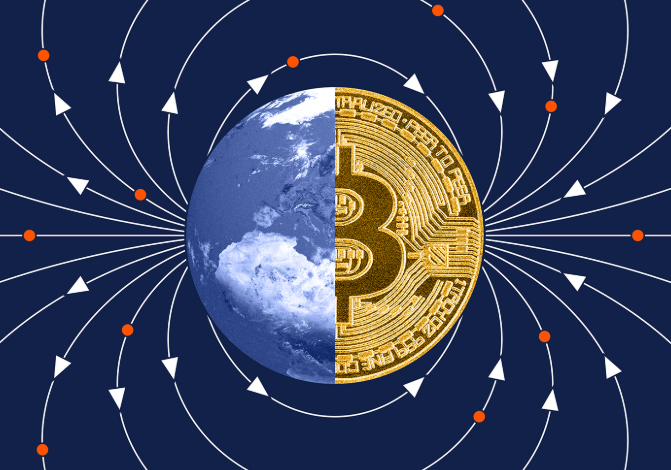
The evolution of technology has profoundly influenced human development through various eras. From the Industrial Revolution’s innovations to today’s digital age, each phase has reshaped societal structures and personal interactions. Current advancements, particularly in artificial intelligence and quantum computing, promise further transformations. However, as technology advances, it compels society to reconsider its values and cultural identity. What implications might these changes hold for the future of human experience?
Key Milestones in Technological Advancement
Throughout history, several key milestones have significantly shaped the trajectory of technological advancement, each serving as a catalyst for further innovation.
The industrial revolution sparked mass production, while the digital revolution transformed communication and information access.
Space exploration expanded human potential, and advances in artificial intelligence and medical technologies enhanced quality of life.
As renewable energy and transportation innovations emerged, they paved the way for a sustainable future.
See also: lafiliere
The Current Landscape of Technology
The technological landscape today is characterized by rapid advancements and pervasive integration into everyday life.
Digital transformation reshapes industries, enhancing efficiency and connectivity. Tech accessibility remains a crucial focus, ensuring that innovations are available to diverse populations.
This dynamic environment fosters creativity, empowering individuals to harness technology for personal and collective freedom, ultimately driving societal progress and redefining traditional boundaries in communication and commerce.
Emerging Technologies Shaping Our Future
How will emerging technologies redefine the boundaries of human potential and societal interaction?
Artificial intelligence and quantum computing stand at the forefront of this transformation. AI enhances decision-making and personalizes experiences, while quantum computing promises unparalleled processing power, solving complex problems beyond current capabilities.
Together, these technologies catalyze innovation, foster collaboration, and empower individuals, ultimately shaping a future where human creativity and efficiency flourish.
The Impact of Technology on Society and Culture
As technology continues to evolve, its profound impact on society and culture becomes increasingly evident. Digital communication reshapes interactions, fostering global connections while simultaneously challenging cultural identity.
Individuals navigate a complex landscape of information, where traditional values may clash with new norms. This dynamic interplay encourages a reevaluation of cultural heritage, as society adapts to the ever-changing technological environment that defines modern existence.
Conclusion
As humanity stands at the crossroads of innovation, technology emerges as both a compass and a map, guiding us through uncharted territories. The journey from the Industrial Revolution to today’s digital age underscores a transformative narrative that continually shapes societal norms and cultural identities. Looking ahead, the convergence of quantum computing and sustainable practices invites a reexamination of our relationship with technology, challenging us to harness its potential while safeguarding our cultural heritage and collective future.