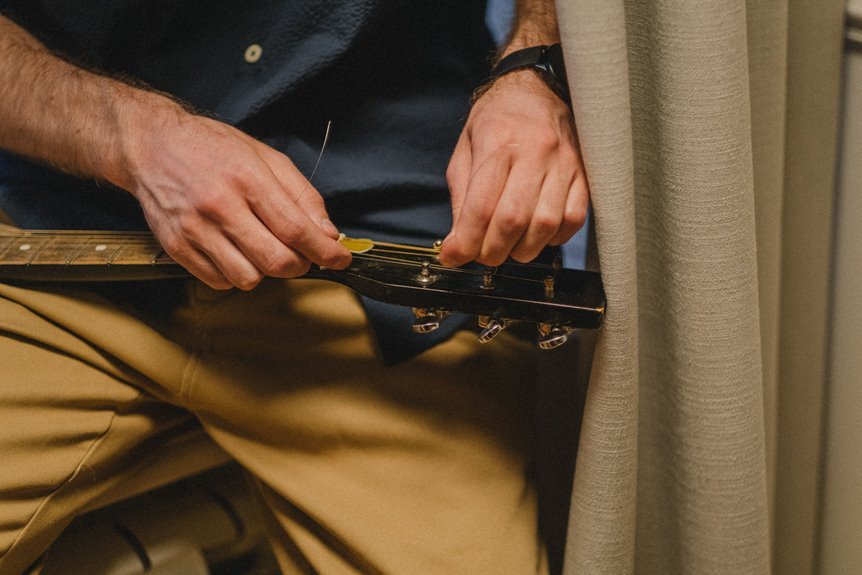
Guitar restringing costs vary by instrument type, string material, winding method, and required setup. Electric guitars may add pickup considerations; acoustics often need nut or saddle tweaks. Price ranges differ for budget standard gauges versus premium strings or upgrades, and some shops include intonation checks or minor adjustments in the service. DIY restringing saves money but risks precision, while professional service offers reliable results and warranties. The true value lies in sound quality and proper setup, a factor that keeps the discussion going.
What Determines Guitar Stringing Costs
Several factors influence the cost of restringing a guitar. Material quality, string type, and winding method determine price differences. Labor time relates to neck access and nut/saddle work, while setup may include intonation checks. Performance goals affect choices like cheap strings and tone adjustment. Local shop policies and equipment use also shape final charges, guiding practical budgeting for freedom-minded players.
Price Ranges by Guitar Type and Setup
Price ranges for restringing vary by guitar type and the required setup. Different instruments demand distinct stringing materials and tolerances, influencing labor time and component costs. Acoustic setups may include nut adjustments, while electrics involve pickup-related considerations and winding checks. Budget-conscious players should compare prices for standard and upgraded gauges, finishes, and any necessary guitar pickups compatibility.
DIY vs. Professional Service: Pros, Cons, and When to Choose
DIY restringing offers a hands-on, cost-conscious approach for players willing to perform routine maintenance themselves; professional service provides precision, reliability, and a warranty-backed outcome. The choice hinges on stringing price factors, guitarist skill, and time cost, balanced against convenience and consistency. A maintenance mindset favors regular checks, avoiding fretboard wear, and aligning the approach with personal freedom and long-term instrument health.
Pro Tips to Save Money and Get the Right Sound
For guitarists, saving money while achieving the desired tone hinges on targeted choices in string selection, tension, and setup timing. Pro tips emphasize consistent gauge preferences, optimal winding patterns, and regular neck adjustments within safe ranges.
Prioritize sound quality over price where necessary, and adopt simple maintenance tips to extend life. Routine checks reduce trips to shops and preserve tone consistency.
Frequently Asked Questions
Do I Need to Restring a Guitar My First Time?
Restringing myths aside, a first-time decision often favors guidance over autonomy; yes, a beginner should restring, then learn signs of wear. It addresses beginner questions and fosters freedom through methodical, precise practice rather than improvisation.
How Often Should I Restring for Best Tone?
Restringing frequency depends on playing style and environment; for best tone, monitor string lifespan and replace before noticeable dullness. First time restring considerations: regular players may need monthly, others quarterly; adjust by feel, not schedule.
Do Metal and Nylon Strings Cost Differently to Restring?
String material matters: metal and nylon strings have different pricing differences due to compatibility and labor. Pricing differences exist, with nylon often cheaper in sets but metal requiring more, depending on gauge and wrapper. Overall, costs vary by instrument.
Can You Reuse Strings After Cleaning the Neck?
Reusing strings after cleaning the neck is inadvisable; the neck’s oils and grime risk tone and intonation. Restringing etiquette favors cleaning components, then replacing strings. Cleaning vs. replacing should guide decisions; proceed with fresh strings for optimal freedom.
Are Tips Included in Professional Restringing Fees?
A tightrope walk through instrument care: yes, tips may be included or extra. The policy varies by shop, so the answer hinges on tips vs wages and tool usage, with precise, practical framing for freedom-seeking players.
Conclusion
Restringing costs hinge on guitar type, string material, winding method, and labor time, with setup varying from simple tuning to intonation and nut/saddle tweaks. Electric guitars may add pickup-related considerations; acoustics might need more precise nut work. Budget options use standard gauges; upgrades raise price. DIY saves money but risks accuracy, while professionals offer reliable, warranty-backed results. Think of sound quality as the compass—precision and proper setup steer the final tone more than price. Visually, a carefully trimmed thread guides a tuning fork through harmony.